ESA title

Taking the pulse of our planet from space

The scientific evidence of global climate change is irrefutable. The consequences of a warming climate are far-reaching – affecting fresh water resources, global food production, sea level and triggering an increase in extreme-weather events. In order to tackle climate change, scientists and decision-makers need reliable data to understand how our planet is changing.

For more than three decades, Earth-observing satellites have been providing the facts needed to address the challenges of our changing world. 


Space for our climate

Latest

Absolute severity measures the loss of above-ground biomass after a disturbance, such as wind, fire or insect damage, or after tree harvesting.
Applications

Europe’s forests losing more biomass since 2018

05/08/2026 1201 views 39 likes
Read
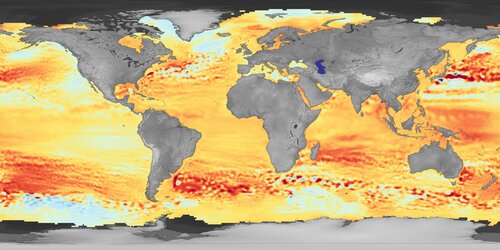
Pacific Ocean salinity June 2026
Applications

SMOS salinity could offer early indicator of El Niño

30/07/2026 2078 views 45 likes
Read
This view of Xingu Indigenous Park and surrounding area, in the state of Mato Grosso in Brazil, shows above-ground biomass (AGB) increases and decreases between 2005 and 2024.
Applications

Improved reporting needed on forest carbon emissions

22/07/2026 1354 views 37 likes
Read
Interferograms of Scar Inlet Ice Shelf in 1995 compared to 2026
Applications

Satellites in tandem reveal 30 years of Antarctic ice flow

09/07/2026 2169 views 56 likes
Read
El Niño 2026 begins
Applications

Pacific warming signals El Niño has stirred

15/06/2026 12316 views 56 likes
Read

More items

  • Applications

    Image gallery

    Open item
  • Applications

    Video gallery

    Open item
  • Applications

    Climate Change Kit

    Open item
    Climate Change kit
  • Applications

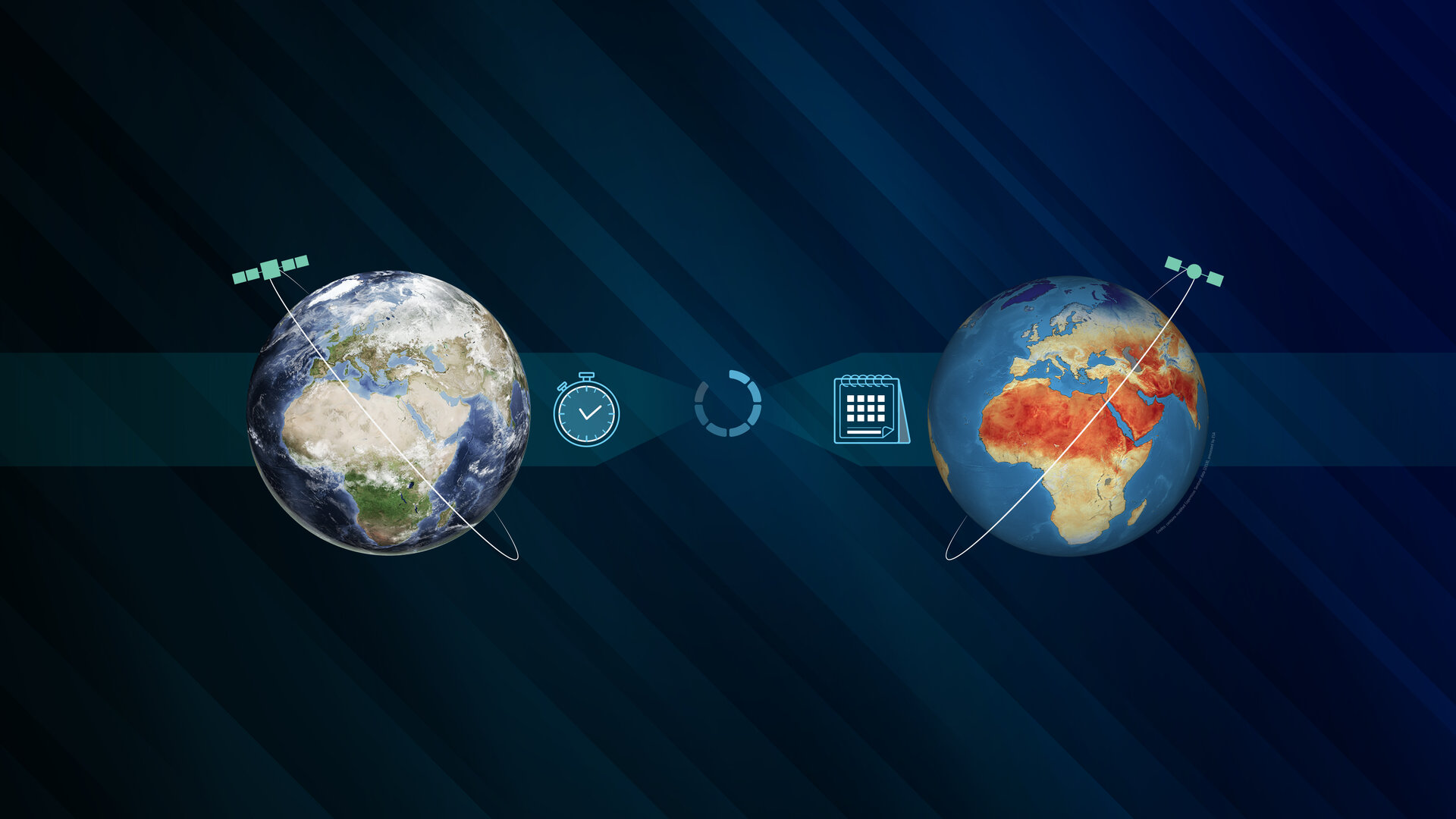
    Weather versus climate at a glance
    Open item

Understanding climate change

Recommended