• → European Space Agency

      • Space for Europe
      • Space News
      • Space in Images
      • Space in Videos
    • About Us

      • Welcome to ESA
      • DG's News and Views
      • For Member State Delegations
      • Business with ESA
      • ESA Exhibitions
      • ESA Publications
      • Careers at ESA
    • Our Activities

      • Space News
      • Observing the Earth
      • Human Spaceflight
      • Launchers
      • Navigation
      • Space Science
      • Space Engineering
      • Operations
      • Technology
      • Telecommunications & Integrated Applications
    • For Public

    • For Media

    • For Educators

    • For Kids

    • ESA

    • Space Science

    • Our Universe
    • About Space Science
    • ESA's 'Cosmic Vision'
    • Science missions
    • Mission navigator
    • Target groups
    • For Media
    • For Scientists
    • For Kids
    • Multimedia
    • Science images
    • Science videos
    • Animations
    • Downloads
    • Sounds from space
    • Resources
    • Reference section
    • Services
    • FAQs
    • Glossary
    • Help
    • Portal terms of use
    • Comments
    • ESA Press Releases
    • Follow us
    • RSS feeds
    • ESA Sci on Twitter
    • ESA Space Science Images on Flickr
    • ESA 3D on Flickr

    ESA > Our Activities > Space Science

    Celebrating ten years of Integral science

    15 October 2012
    Loading...

    Credits: ESA–C. Carreau

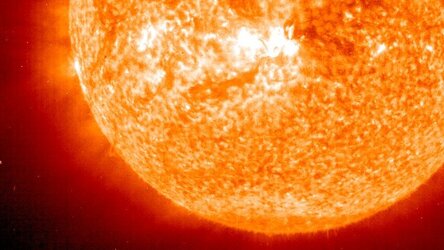
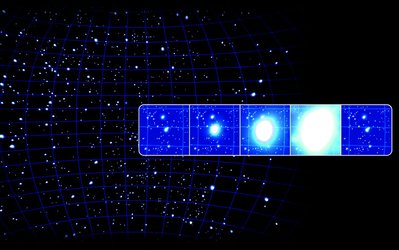
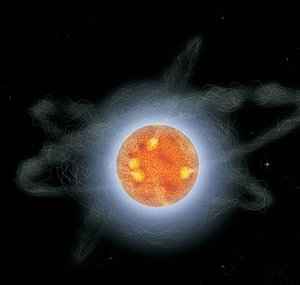
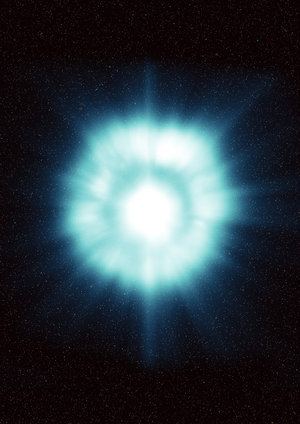
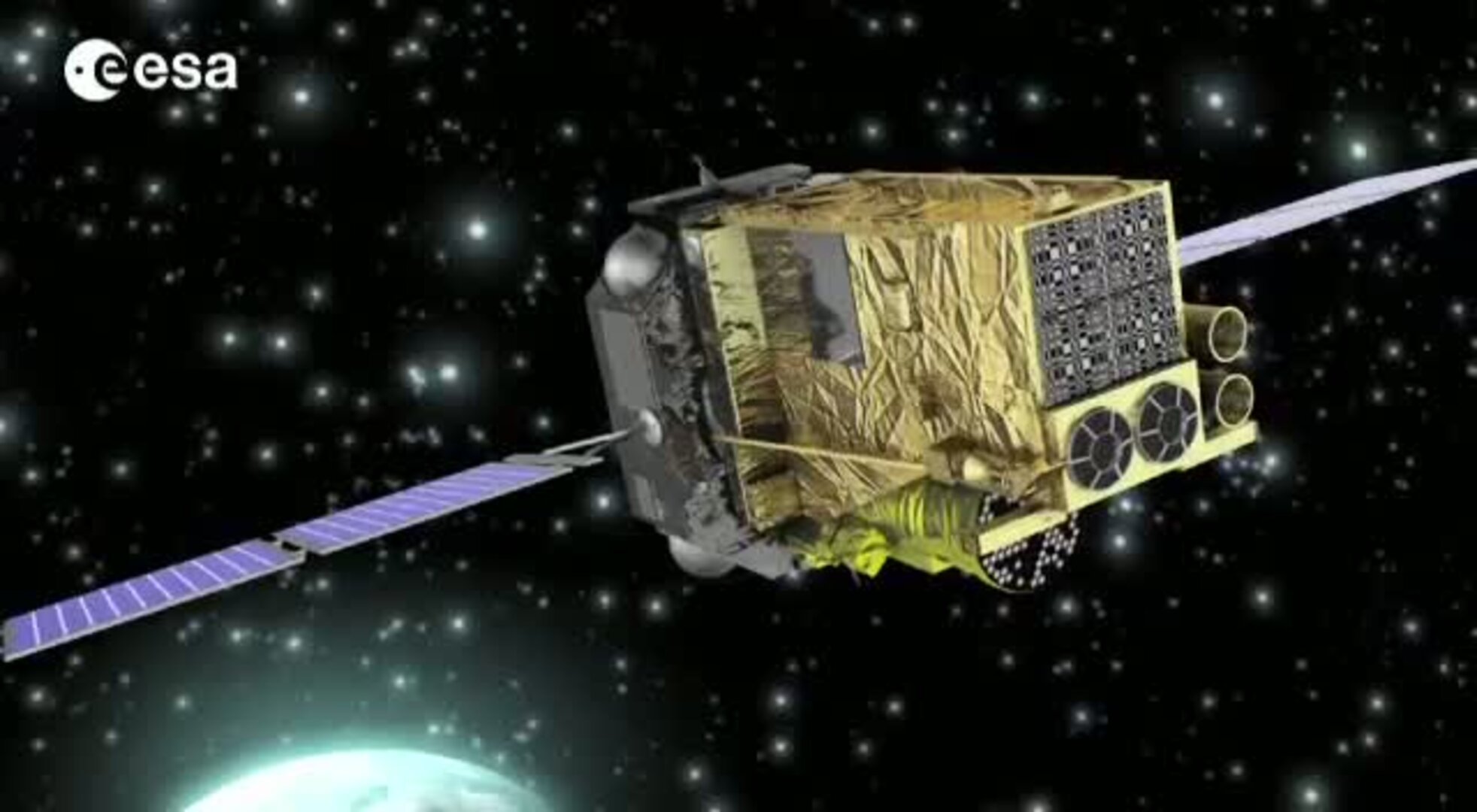
    This week, ESA’s Integral space observatory celebrates ten years since launch on 17 October 2002. To mark the occasion, we present a slideshow of artist’s impressions depicting some of Integral’s most important discoveries.

    Integral, short for International Gamma-Ray Astrophysics Laboratory, is equipped with two gamma-ray telescopes, an X-ray monitor and an optical camera. All four of Integral’s instruments point simultaneously at the same region of the sky to make complementary observations of high-energy sources.

    Integral is often bathed in gamma-ray bursts, the death cries of massive stars that have burned up their fuel and exploded as a dramatic supernova, blasting high-energy radiation through the Solar System on a near-daily basis.

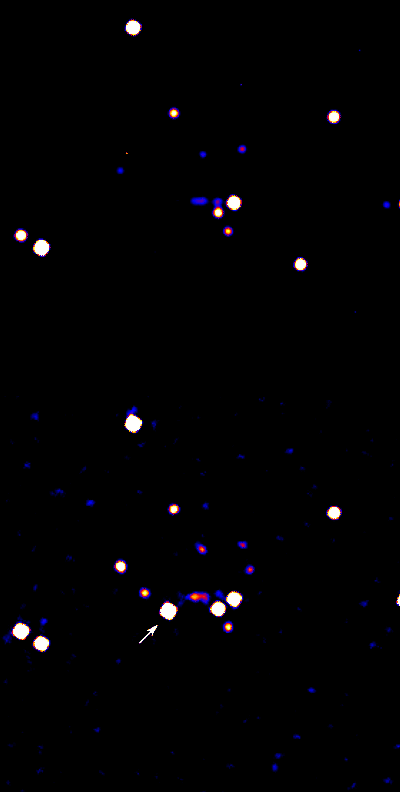
    The satellite has also discovered objects that are much subtler than exploding stars. Highly absorbed X-ray binaries shrouded in material streaming off a high-mass companion star are too faint to be seen in optical and ultraviolet wavelengths, but high-energy X-ray and gamma-ray radiation can escape from that environment, detectable by Integral.

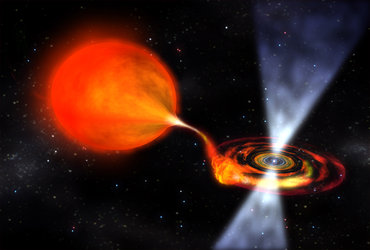
    Meanwhile, supergiant fast X-ray transients display X-ray and gamma-ray outbursts that last only a few tens of minutes to hours. These objects comprise a neutron star – the dead core of a normal star which ended its life through a supernova – grabbing material from the clumpy wind emitted by its supergiant stellar neighbour.

    A strange breed of pulsar with super-strong magnetic fields has also been uncovered by Integral. A pulsar is a rotating neutron star that appears to emit beams of radiation like a lighthouse.

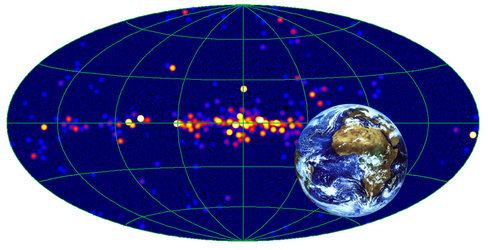
    Integral is also capable of all-sky surveys and has for the first time mapped the entire sky at the specific energy produced by the annihilation of electrons with their positron anti-particles.

    The power released by the annihilating particles corresponds to over six thousand times the luminosity of our Sun.

    Integral has also made the first unambiguous discovery of highly energetic X-rays coming from the galaxy cluster known as Ophiuchus. The emission is thought to originate from giant shockwaves rippling through the cluster’s gas as two galaxies collide and merge.

    Integral has also been probing the feeding habits of active galaxies and black holes, which lurk in the bellies of most galaxies, including our own.

    Many supermassive black holes are surrounded by thick dust discs, which Integral can peer through to identify the black hole hidden within.

    Read more about Integral’s decade-long contribution to high-energy astrophysics in our special anniversary article coming up on Wednesday.

    Rate this

    Views

    Share

    • Currently 0 out of 5 Stars.
    • 1
    • 2
    • 3
    • 4
    • 5
    Rating: 0/5 (0 votes cast)

    Thank you for rating!

    You have already rated this page, you can only rate it once!

    Your rating has been changed, thanks for rating!

    44
    facebook
    twitter
    reddit
    google plus
    digg
    tumbler
    digg
    blogger
    myspace
    • Archive
      • Image of the week archive
      • Space Live
        Space Live
        Space science image gallery
      • Related articles
        • Integral disproves dark matter origin for mystery radiation
          • Integral spots matter a millisecond from doom
            • Integral discovers the galaxy’s antimatter cloud is lopsided
              • Giant eruption reveals 'dead' star
                • Dissecting a stellar explosion
                  • XMM-Newton and Integral clues on magnetic powerhouses
                    • Faint gamma-ray bursts do actually exist
                      • Integral locates origin of high-energy emission from Crab Nebula
                        • X-rays betray giant particle accelerator in the sky
                          • Integral catches a new erupting black hole
                            • ESA steps towards a great black hole census
                              • Star eats companion
                                • ESA's Integral detects closest cosmic gamma-ray burst
                                • In depth
                                • Integral in depth
                                • Related ESA publications
                                  • ESA BR-308 Integral: A Decade Revealing the High-Energy Sky
                                  • Integral results leaflet (pdf)
                                  • Integral mission brochure (pdf)
                                  • Follow us
                                  • ESA Space Science Image of the Week on Flickr
                                  • ESA 3D on Flickr
                                  • ESA Sci on Twitter

    Connect with us

    • RSS
    • Youtube
    • Twitter
    • Flickr
    • Google Buzz
    • Subscribe
    • App Store
    • ESA Science Twitter

    Follow ESA science

    • LATEST ARTICLES
    • · CryoSat hits land
    • · Ariane 5 completes seven launches …
    • · Measuring skull pressure without t…
    • · Malargüe station inauguration
    • · The solar wind is swirly
    • FAQ

    • Jobs at ESA

    • Site Map

    • Contacts

    • Terms and conditions