Ariane 6 – made in Austria

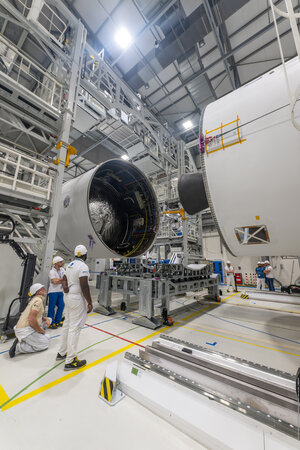
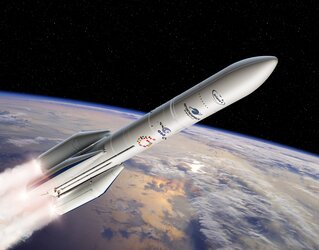
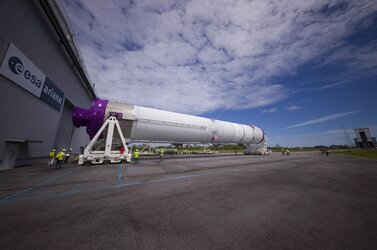
Ariane 6 is Europe’s flagship heavy-lift rocket. Modular, versatile and powerful, it was made possible by companies, institutions and countless individuals around Europe working together with expertise and dedication.
Austria has been an ESA member state since 1987 and actively participates in the Ariane 6 programme having contributed 0.4% to the development programme up to the inaugural flight. Its involvement to the Ariane 6 programme focus on precision engineering and high-quality materials, with Austrian companies supplying essential components that meet the stringent demands of spaceflight. Beyond Gravity provides thermal protection for the rocket, and a gimbal for the upper stage engine. TTTech supplies chips for the rocket’s computer network, and TestFuchs provides valves for fuel and propellant.
This series of articles is looking at the parts and components needed to assemble the Ariane 6 rocket – supplied by companies from the 13 ESA Member States participating to the Ariane 6 programme. Together they contribute the best of their know-how to build Europe's heavy-lift launcher under the guidance of main contractor ArianeGroup who also designed the Ariane 6 rocket.
Beyond Gravity Austria – cool work on hot stuff
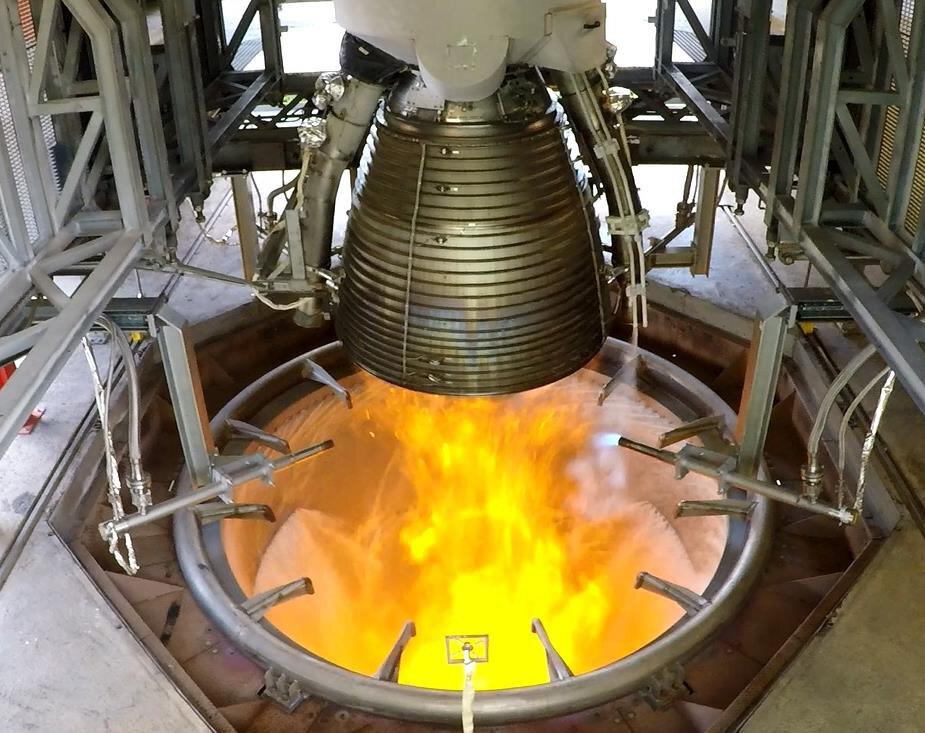
Beyond Gravity Austria (formerly known as RUAG Space) supplies key thermal protection and mechanical components for Ariane 6’s main and upper stages. These components ensure structural integrity and temperature control across the rocket. For the main stage, Beyond Gravity provides the Vulcain 2.1 engine Thermal Protection Exhaust Lines (TPLE) and the Flexible Thermal Protection (FTP) for the exhaust lines and base cover. These high-temperature insulation materials shield the rocket’s structure from the extreme heat of the Vulcain 2.1 engine that can extend to 1500°C, hot enough to melt gold.

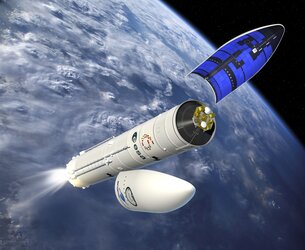
When it comes to the reignitable upper stage, Beyond Gravity provides thermal vacuum insulation tents, membranes and conditioning bags to protect the electronics and to keep the gases in the upper stage at their optimal operational temperatures. The upper stage of Ariane 6 relies on a complex heat-balancing act. The liquid hydrogen and oxygen used as propellant should stay as cold as possible – as low as −255°C to avoid it boiling away – but the electronics prefer a warmer operating temperature, and the exhaust gases of its Vinci engine heat up to hundreds of degrees centigrade. Beyond Gravity provides ‘tent’ insulation to protect the Vinci Intermediate Thrust Frame (VITF), membranes to protect the electronics, and conditioning bags to keep the various gases in the upper stage at their optimal operational temperatures.
Beyond Gravity is also responsible for the Vinci cardan gimbal mechanism – a 10 kg piece of tech that controls the direction of the upper stage’s rocket’s thrust, ensuring the Vinci engine can adjust the rocket’s trajectory and maintain stable flight.
TTTech Computertechnik AG – fault-tolerant digital backbone

TTTech Computertechnik provides cutting-edge data communication systems for Ariane 6. TTTech supported Airbus and ArianeGroup on integrating a scalable technology for Ariane 6’s data transmission infrastructure using open standards like Time-Triggered Ethernet.
Your home internet sends information on a best-effort basis, each data packet is queued and arrives when it arrives, and this works quite well, until everybody in your household starts streaming their favourite shows at the same time and congestion causes data delays. For a rocket and spacecraft this is unacceptable, so time-triggered communication is used for critical data. Each system is given an allotted time to communicate, and the system works like clockwork.
TTTech’s TTEthernet Controller Application-Specific Integrated Circuits (ASICs) are dotted around the Ariane 6 rocket each controlling the flow of information for the many sub-systems. Over 50 of these chips have both ‘switch’ and ‘input/output’ functions, allowing the fuel levels, temperature and all the other control data to be transmitted at the right time to the right place. This technology enables safe and efficient data handling and control.
Test-Fuchs Aerospace Systems GmbH

TEST-FUCHS, based in Gross-Siegharts deliver high-precision valves and coils for electro valves for the lower and upper stage of Ariane 6. While they deliver only electrical-actuated valves for flow regulation and specific coils for electromagnetic actuation in the core stage, the upper stage also contains passive non-return check valves.
These check valves are specifically developed and produced for the Vinci engine’s hydrogen Propellant Pressure Distribution and Regulation system (PPDRO/H) and the stage’s Auxiliary Power Unit. The check valve controls the flow of propellant and prevents ‘backflow’ – essential for maintaining stable pressure. As hydrogen is the smallest molecule in the universe, designing and building valves to stop and start the flow of hydrogen on command is no easy feat and requires immense precision and quality control. TEST-FUCHS engineering contributes to the precise fuel management required for a stable, safe and successful launch.
Austria’s contributions to Ariane 6 exemplify the country’s expertise in high-precision manufacturing and advanced engineering. Through the work of these companies and many more across Europe, Ariane 6 can safely survive the extreme temperature fluctuations any rocket encounters being fired from Earth to space, can be guided safely, flies with cutting-edge communication systems and safety features that help it achieve its missions with confidence and reliability.